

Many people worry about their credit scores, especially if they’re looking to buy a house. A credit score is a concrete though imperfect measure of people’s “creditworthiness,” the likelihood that they will pay their bills. Today’s world practically runs on credit; in essence, we habitually buy things for which we don’t have the cash by taking out a loan at interest. (And honestly, how often do you pay cash for something even if you have the money on you?)
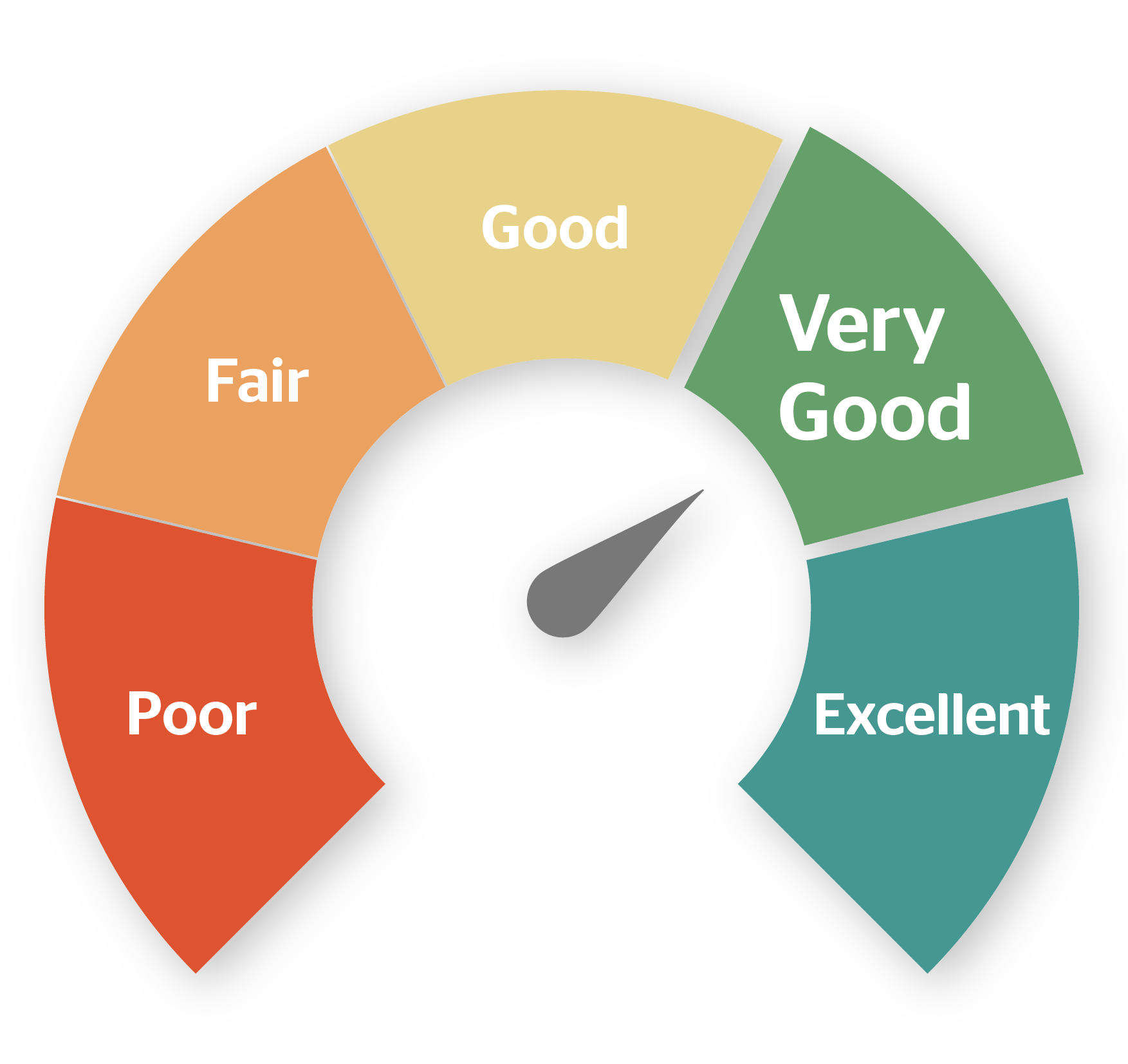
At root, the word credit goes back to the Latin for “believe.” Think of words like credible and credibility — they suggest something or someone believable or trustworthy. Again, if I’m going to lend you money “on credit,” it’s because I have reason to believe that you’ll pay it back.
Trustworthiness is a key ingredient in all relationships, not just financial ones. In a recent post, for example, I wrote of negative and positive sentiment override. These are John Gottman’s terms for how our reactions in the moment are colored by the previous emotional history of the relationship. If I perceive our relationship as mostly negative, I am primed to interpret whatever you do or say negatively, even if you’re trying to do something good. Conversely, if I perceive our relationship as mostly positive, I’m more likely to give you the benefit of the doubt when you do something bad. It’s something like an emotional credit score: how much do I trust you?
It’s clear from his letter that Paul loves and trusts the Philippians. He’s grateful for the gift they’ve sent to him while he remains under house arrest in Rome. But this is not the first time they’ve shown their love and support. They’ve tangibly supported him right from the beginning of the relationship, and as we’ve seen, he tells them so directly.
But Paul is still careful to put the emphasis where it belongs. Whether we like it or not, money complicates relationships — and Paul seems keenly aware of this. It’s why he didn’t accept the patronage of the Corinthians, and the same might be true of his relationship to the Thessalonians. It’s a mark of Lydia’s trustworthiness that Paul accepts her patronage and that of the Philippians. And he will not have that special bond marred by the cultural baggage that money typically drags along with it.
Thus, having just highlighted how the Philippians have always been there for him whenever he had a need, he carefully throws in one more qualification:
Not that I desire your gifts; what I desire is that more be credited to your account. (Phil 4:17, NIV)
By now, we should be able to skirt any suspicion of rudeness on Paul’s part, and hear his heart. Yes, he has what most would consider “needs,” but he’s learned to be content nevertheless. And yes, the gift the Philippians sent is much appreciated. Who knows? Maybe he did indeed use the money to make his life a bit more comfortable.
But for Paul, it’s always about the big picture, about the gospel, about eternity. What matters most about their gift is that it raises their credit score — not with Paul, but with God.
Given what we know of Paul’s way of thinking, his words can’t be taken as some clumsy version of Do more for God, get a bigger heavenly mansion! Rather, Paul is using the language of commerce because it’s something the Philippians — and particularly a successful businesswoman like Lydia — would understand. He leverages the language to transform their thought world and their expectations: Friends, this is not just about your relationship to me; it’s about your relationship to God.
From the beginning of the letter, Paul has told the Philippians that what he wants is for them to keep making progress in the faith and live in a way worthy of the gospel (1:25-27). Their gift is evidence that they are doing so, and indeed, shows that they are embodying what Jesus himself taught about true discipleship (e.g., Matt 25:31-46).
This is Paul’s joy. The money they have sent is credited to their “account” by God. Lydia and the others, I presume, understood what he meant, and they would keep building that credit score.
 Squinting through Fog ("The Fog Blog")