

HAVE YOU EVER been in a meeting in which people disagreed on how to understand or interpret a situation and what to do about it? Things can get tense, even heated, especially when everyone is pushing to be heard, but no one wants to listen. When that happens, people tend to polarize, becoming even more insistent on their own positions, more intent on proving that they’re right and others are wrong.
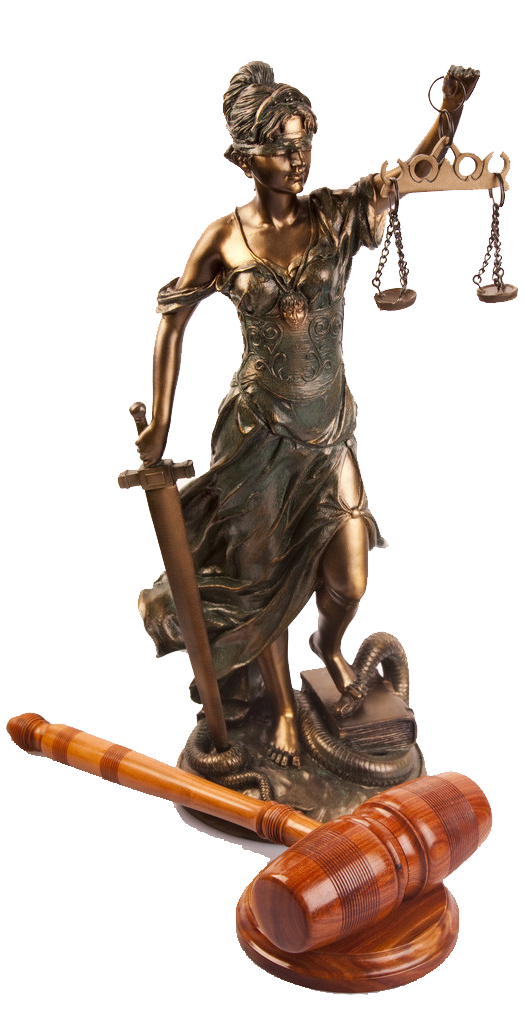
Unfortunately, that’s sometimes how jury deliberation goes, where much can be at stake in the verdict. Trust me, I’ve seen the process go sideways, and it can happen pretty quickly. Which way will the conversation turn? Which way will the decision go? In part, it depends on whether the attorneys have made clear and compelling cases, and as I suggested before, that typically requires credible witnesses.
But what if people don’t believe even the best of witnesses? What if jurors bring their biases and prejudices with them into the deliberation room in a way they refuse to recognize? Before the trial begins, as jurors are being selected, the attorneys work to weed out those they think will be unfairly biased against their client. The process is imperfect, though, and there are no guarantees.
I once had to fill out a juror questionnaire that was searching for bias before we even got into the courtroom. The questionnaire first informed me that (1) the testimony would involve descriptions of the defendant’s repeated adulterous behavior, (2) adultery was not illegal in the state of California, and (3) adultery was therefore not the reason the defendant was on trial. So, the questionnaire demanded, what do you think about adultery?
I gave an honest answer: “I believe adultery is a sin” (you know, that little matter of the Ten Commandments…). When I wrote that, I thought to myself, Well, I guess that’s that. No way they’re going to put me on the jury with that answer.
Shows you how much I know. I ended up being the foreman. Both attorneys, apparently, believed that I could be impartial in weighing the evidence.

JOHN, AS WE’VE seen, uses the language of the courtroom, though the situation he’s addressing is a bit more complicated than a single court case. In one sense, the gospel itself was on trial in the conflict that split the community. The best of witnesses had long been assembled. The Spirit, the water, the blood, even God the Father himself had given what should have been irrefutable testimony to the identity of Jesus. But the secessionists had heard the evidence and rejected it, apparently unaware of their own biases.
The twist, however, is that God isn’t just another witness. God isn’t a fallible human being having to bear up under the aggressive cross-examination of attorneys or the scrutiny of a jury of peers. God has no peer. The trial of the gospel is one in which the Judge himself — indeed, the Lawmaker! — has taken the stand. “We accept human testimony,” John writes, “but God’s testimony is greater because it is the testimony of God, which he has given about his Son” (1 John 5:9). It’s as if to say, Friends, this ain’t just a matter of opinion. Human witnesses can say whatever they want, and we may or may not believe them. But God has spoken. God has testified. And when God speaks, everyone had better listen.
Thus, because the secessionists failed to listen to the testimony of God, they themselves have now been put on trial. John’s words sound like both a closing argument and a verdict:
Whoever believes in the Son of God accepts this testimony. Whoever does not believe God has made him out to be a liar, because they have not believed the testimony God has given about his Son. And this is the testimony: God has given us eternal life, and this life is in his Son. Whoever has the Son has life; whoever does not have the Son of God does not have life. (1 John 5:10-12, NIV)
The secessionists may have claimed to “believe” in Jesus in some fashion, but over time it became clear that they had some very different ideas about who Jesus was, ideas that put them at odds with the true gospel as taught by John and the apostles. John’s own teaching was the eyewitness testimony he had passed on to his readers, and they had faithfully clung to it in the midst of the unfolding controversy.
In his closing argument, John comes back to the unimpeachable testimony of God. Only God can grant eternal life, and God says that eternal life is in his Son, and only in his Son. Anyone who refuses to believe this, John insists, makes God out to be a liar, a shady witness. Remember, this is not the first time John has used such language in his letter. Back in chapter 1, near the beginning of the letter, he said this:
But if we walk in the light, as he is in the light, we have fellowship with one another, and the blood of Jesus, his Son, purifies us from all sin. If we claim to be without sin, we deceive ourselves and the truth is not in us. If we confess our sins, he is faithful and just and will forgive us our sins and purify us from all unrighteousness. If we claim we have not sinned, we make him out to be a liar and his word is not in us. (1 John 1:7-10)
The true gospel of Jesus, the Christ, is that we are all sinners in need of purification and forgiveness. These are available to us through the blood of Jesus when we confess our sins. That, John would insist, is the testimony of God himself. But if we refuse to believe this, by claiming that we aren’t sinful, or that we don’t need cleansing, or that we can be cleansed of sin in some other way, we reject the testimony of God. Effectively, we call God a liar.
And for the record, it’s usually not a good idea to call the Judge a liar.
The final verdict, therefore, must be given. The secessionists don’t believe that Jesus is the Son of God in the way the testimony of God declares. Sadly, therefore, they do not have eternal life, because such life is only in God’s Son.
Such a verdict, however, is not a popular one. I don’t know if any of the people who left the community ever read John’s letter. But if they did, I’m sure they didn’t appreciate it. And as we’ll consider next, something similar is still true today.
 Squinting through Fog ("The Fog Blog")