


Right now, as I write this, several nations around the world are at war. There is, of course, conflict between nations, the most prominent of which is the war between Russia and the Ukraine, which has claimed thousands of lives on each side. But there’s war within nations as well, whether the war against terrorism or outright civil war. Nations like Afghanistan, Ethiopia, Mali, Myanmar, and Somalia are being torn apart from within by civil war, and some of these conflicts have been dragging on for decades. For people living in these places and places like them, war is an everyday reality, the backdrop to every story.
Something similar might be said of the people of Micah’s time. Everything we’ve already pondered in the book of Micah already points that way. Reminders of the war between Philistia and Israel. Between Israel and Judah. Between Assyria and everybody else. So even if war wasn’t currently at Judah’s doorstep, it was never far away, and the threat always lingered.
Previously, I suggested that the beginning of the oracle that opens Micah 4 might not have been the vision of hope the people wanted. Wait: other nations streaming to Jerusalem to learn God’s ways? Micah, that’s not the happy ending we had in mind…
But the oracle continues in that vein, coming to a place that I imagine the people would have found more hopeful and attractive:
He will judge between many peoples
and will settle disputes for strong nations far and wide.
They will beat their swords into plowshares
and their spears into pruning hooks.
Nation will not take up sword against nation,
nor will they train for war anymore. (Mic 4:3, NIV)
That first sentence stands out in bold relief from the dire prophecy that came before, at the end of chapter 3. There, as we’ve seen, the leaders of Jerusalem were condemned for ruining the city with their injustice. Judges settled disputes in ways that benefited them personally, instead of making right and honest judgments.
But with God in charge, all that will change. Not only will the nations flock to Zion to learn about God and from God, they will also bring their disputes with them, seeking justice. Note that this isn’t the United Nations; they’re not there to engage in a collaborative, international effort at keeping the peace. They will be bringing their disputes to the one truly righteous judge. And this God, not their own gods, will give them justice.
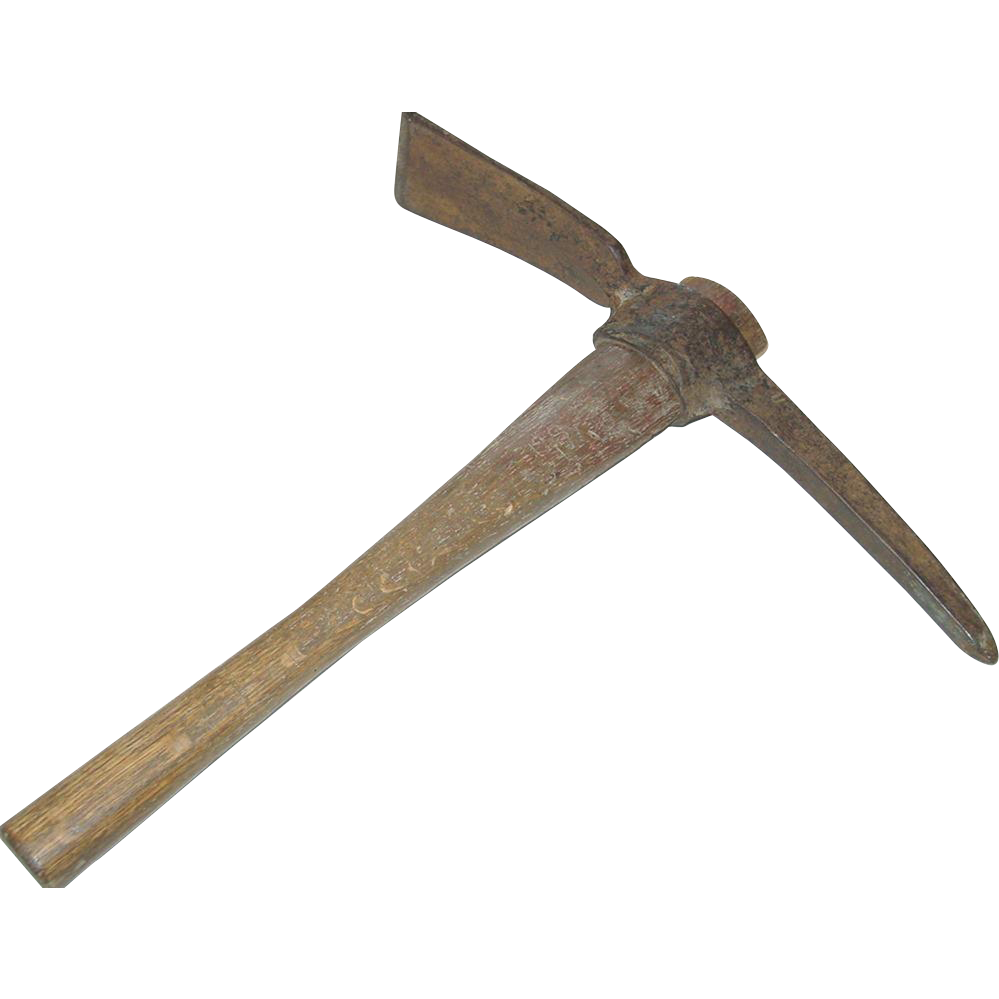
Because of this, there will no longer be any need for war, for weapons like swords and spears. People will no longer need to be conscripted to fight; they will be farmers instead. The word translated as “plowshares” is a relatively rare one, used only five times in the Old Testament. It doesn’t have to mean “plow”; it could mean some other metal instrument used to dig, like a hoe or a mattock. But the point remains. The tools of war and destruction will instead become the tools for feeding people and helping things grow; soldiers will become farmers instead.
Even if you’ve never read Micah, the phrase “swords into plowshares” may sound familiar to you. The Bible actually attributes it to Isaiah. In fact, the whole oracle of chapter 4 up to this point in Micah belongs to Isaiah (see Isa 2:1-4), his better-known contemporary. And to be fair, we should also mention Joel, the prophet who preceded Micah and Isaiah in Judah. Joel 3:10 uses the same language, but in the other direction. It’s a summons to war, not against it: “Beat your plowshares into swords and your pruning hooks into spears.”
God, therefore, sends the same message to the people of Judah through both Isaiah and Micah. Joel prophesied war, and war is indeed coming. But in time there will come a day of peace, a day of justice, in which war will cease, in which weapons will once again become farming implements.
I don’t know about you, but I’m drawn to the vision of a world without war. Can you imagine it?
Peace, however, God’s shalom, is more than that. Shalom is never merely the absence of conflict, but the presence of wholeness. Moreover, for those who don’t live under the threat of war, the hopeful vision given by Micah and Isaiah may seem a little abstract.
That’s why, perhaps, Micah has more to say on the subject, as we’ll see.
 Squinting through Fog ("The Fog Blog")