

Where I live, I expect to be summoned for jury duty about every other year. That means that over the years, I’ve spent my share of hours in a courthouse or courtroom, either as a prospective or actual juror. There comes that solemn moment when the bailiff calls the court to order and everyone falls silent. The judge emerges from his or her chambers and takes an elevated seat at the bench. The practice dates back to the ancient world; think, for example, of Pilate at the trial of Jesus. It’s a mark of respect and submission to the authority of the judge, who is only to be addressed as “Your Honor.”
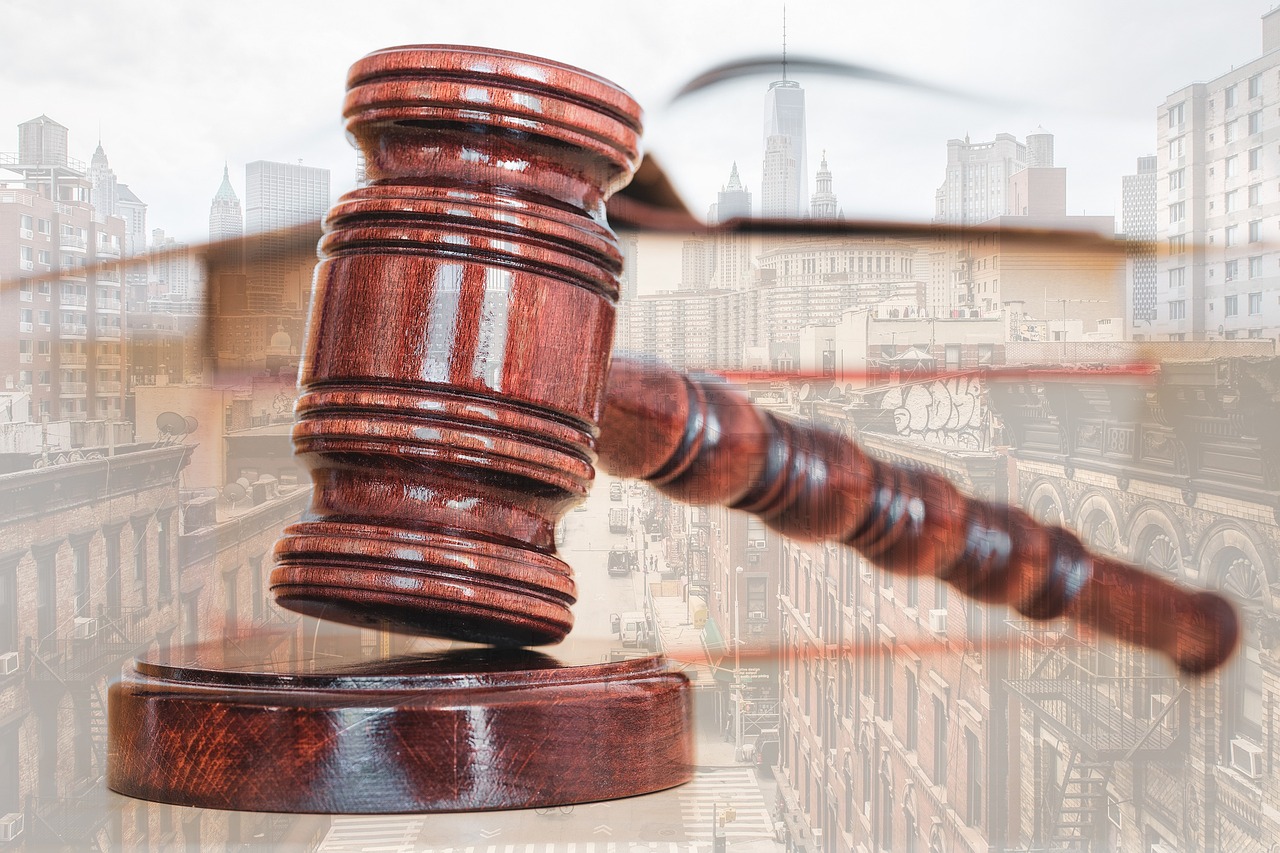
Can you picture the scene?
Now imagine that the courtroom is the earth itself, and God is the judge.
Micah does.
The Psalms and prophets use a number of images and metaphors to convey the might and majesty of God. God is king, for example, a fact that the people implicitly rejected when they clamored for an earthly king. God is also the righteous judge. We can hear it in Micah’s language:
Hear, you peoples, all of you;
listen, O earth, and all that is in it,
and let the Lord GOD be a witness against you,
the Lord from his holy temple.
For the LORD is coming out of his place
and will come down and tread upon the high places of the earth. (Mic 1:2-3, NRSVUE)
The Lord, the Sovereign One, emerges from his heavenly chambers as judge; note that the word translated as “temple” here can also mean “palace.” In our language, God serves as both judge and prosecutor. Micah pictures him as coming down to earth, his feet first touching the mountains.
What Micah says next is typical of Old Testament theophany, that is, visible appearances or manifestations of God. Often, God comes in unimaginable power, framed in the most cataclysmic terms available to the ancients: hurricane-force winds; deafening thunder and brilliant lightning; ground-rattling earthquakes. Mountains are often symbols of rock-solid stability in the Old Testament, but at the touch of God’s feet they simply melt away:
Then the mountains will melt under him,
and the valleys will burst open
like wax near the fire,
like waters poured down a slope. (vs. 4)
This is how Micah begins, after a one-verse introductory byline. How would the people have heard such a prophecy, such a description of the coming of God as judge? Micah begins, after all, by calling all the earth and all its peoples to listen. Chances are, God’s people would have heard these words as good news: Finally! God is coming to judge all those godless nations around us! They’re going to get what they deserve! God is going to terrify them with his power and judgment.
But as we will see, the prophet pulls the rug out from under anyone who dares to think that way. Yes, God is unspeakably powerful and indescribably majestic, and nothing can stand in his way. Yes, God is righteous and is coming to judge the wicked.
But it’s not about “them,” Micah says. It’s about you.
 Squinting through Fog ("The Fog Blog")