

Have you ever had the experience of getting wrapped up in the experience of a book or movie only to be let down at the end? I remember watching a classic sci-fi TV miniseries that kept ratcheting up the doomsday tension throughout its short run — only to resolve it all in the last ten minutes with a cheesy, rabbit-out-of-the-hat ending. Then there was the novel about the struggles of a married couple whose troubles increased when they had to move to another country. They began working through their tensions…and then, in the last chapter, the wife was killed by a robber. End of story.
I wished I had never started that book in the first place.
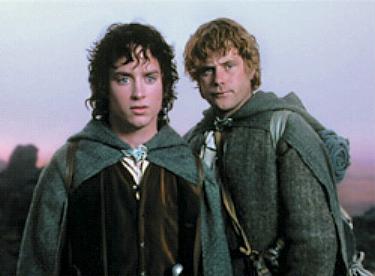
It’s hard to believe that it’s been over 20 years since the theatrical release of The Fellowship of the Ring. My wife and I eagerly took the kids to see it; we had read Tolkien’s entire Lord of the Rings trilogy to them aloud when they were younger. At the end of the movie, Frodo and Sam stand at the border of Mordor, anticipating the terror that awaits them, the quest that will probably claim their lives. On that note, the credits roll.
As we walked out of the theater, I heard people loudly complaining behind us. “What kind of an ending was that?” they moaned. Feeling compelled to ease their pain, I turned around and said, “This is the first movie of a trilogy.” Their frowns melted as they opened their mouths wide in recognition. “Ohhhh…” was all they said.
Endings matter. It’s true of books. It’s true of movies. And it’s true of personal letters written from one friend to another, though such niceties have nearly been lost in an age of email and text messaging. How many misunderstandings have you had with someone because you misread their electronic message or they misread yours? That’s what can happen when messages are written without nuance and lack the benefit of additional signals like facial expression and tone of voice. Why do you think emojis were invented?
Contrast that with the care taken by the apostle as he says “Thank you” at the end of his letter to the Philippians. As we’ve seen, he wants them to know that he’s grateful, and that their gift gave him joy. But he doesn’t want them to think it’s because he was in dire need of cash. He picks his words carefully, and adds in qualifications to make sure he’s clearly understood: what matters is not his bank balance, but what God credits to their spiritual account because of their loving generosity and concern.
We are very nearly to the end of our study of Philippians. Sometimes, when we get to the end of Paul’s letters, we scoot quickly past his final words. Oh, yes, we think, I’ve seen this before. Paul’s saying hi to people and conveying greetings from others. That’s not terribly important.
But again, endings matter. Paul knows that his letter will be read aloud to a gathering of believers, and wants to make sure he strikes the right notes at the end, for these are the words that will be left ringing in their ears. So let’s attend to how Paul crafts his ending as we explore his words in the next few posts.
 Squinting through Fog ("The Fog Blog")